Hi ,
I wanted to start by sincerely thanking you for downloading my Fujifilm Tips and Tricks guide. I hope it helps you better understand
your camera so that you can take full advantage of all the powerful features it has to offer.
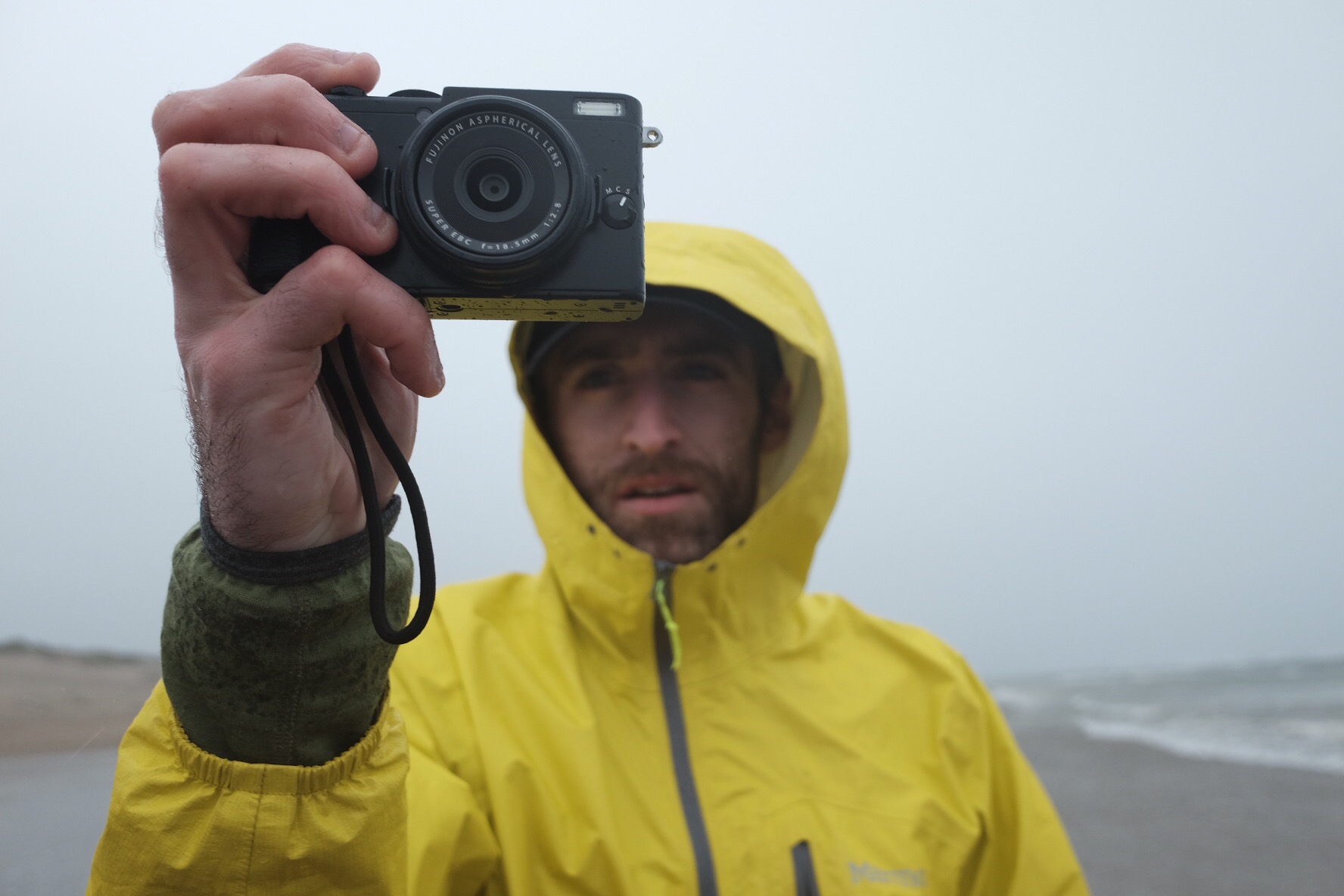
As someone who shot DLSRs for 25 years, not only was my move to the X Series a refreshing transition to carrying lighter equipment, I feel a renewed level of creativity whenever I pick up one of these cameras. No matter if it’s the X-T1 or the little, yet highly capable pocket-sized X70, I’m in love
with the imagery, and the performance. Since I traded in all of my DSLR gear, there has never been a day when I questioned making that move.
I never feel limited, only expanded. I’m guessing you have a similar feel about these cameras. They’re kind of infectious that
way.
I hope you enjoy reading my newsletters. I send them about once per month, with a few other notices throughout the year when there’s something noteworthy I think you should know about.
With that in mind, I’m going to start by giving you a list of resources designed to help you get even more out of your camera and your photography. These aren’t just tips, they’re more about method, carrying, and instruction. I realize your style and gear choices may
differ widely from mine, but I hope you find some of these things useful.
Keep in mind, this issue is formatted a little differently than what you see in future issues. In addition to gear reviews, I always
include lots of free content, exclusive content and links to interesting photography articles. Again, all designed to help make you a better photographer.
Why? Because I love photography and I get just as excited when I see other people capture great images
too.
|
|
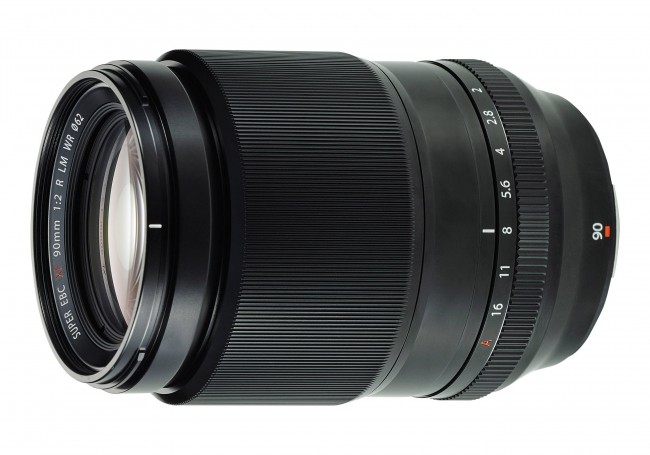
Cameras are really cool, but it's the glass that really counts. In the end, your lenses are what determine the look and feel of your imagery. Over the years, you may upgrade bodies a few times, but a
great lens will last for many years. I’ve shot with nearly all of the Fujinon X Series lenses, and in this blog post, I narrow them down to my personally favorites. These are the four…(ok, five) that I like the best for my style photography.
|
|
Read More
|
|
My Favorite Packs for Carrying my X Series Camera Gear |
I’ve used so many different photo packs during the course of my career, but these are ones I’ve been carrying the most during the past few years. When it comes to camera bags, everyone has their own preferences, but if you
shoot outdoor adventure or travel work and want something that’s built for outdoor photography, I recommend checking these out.
|
|
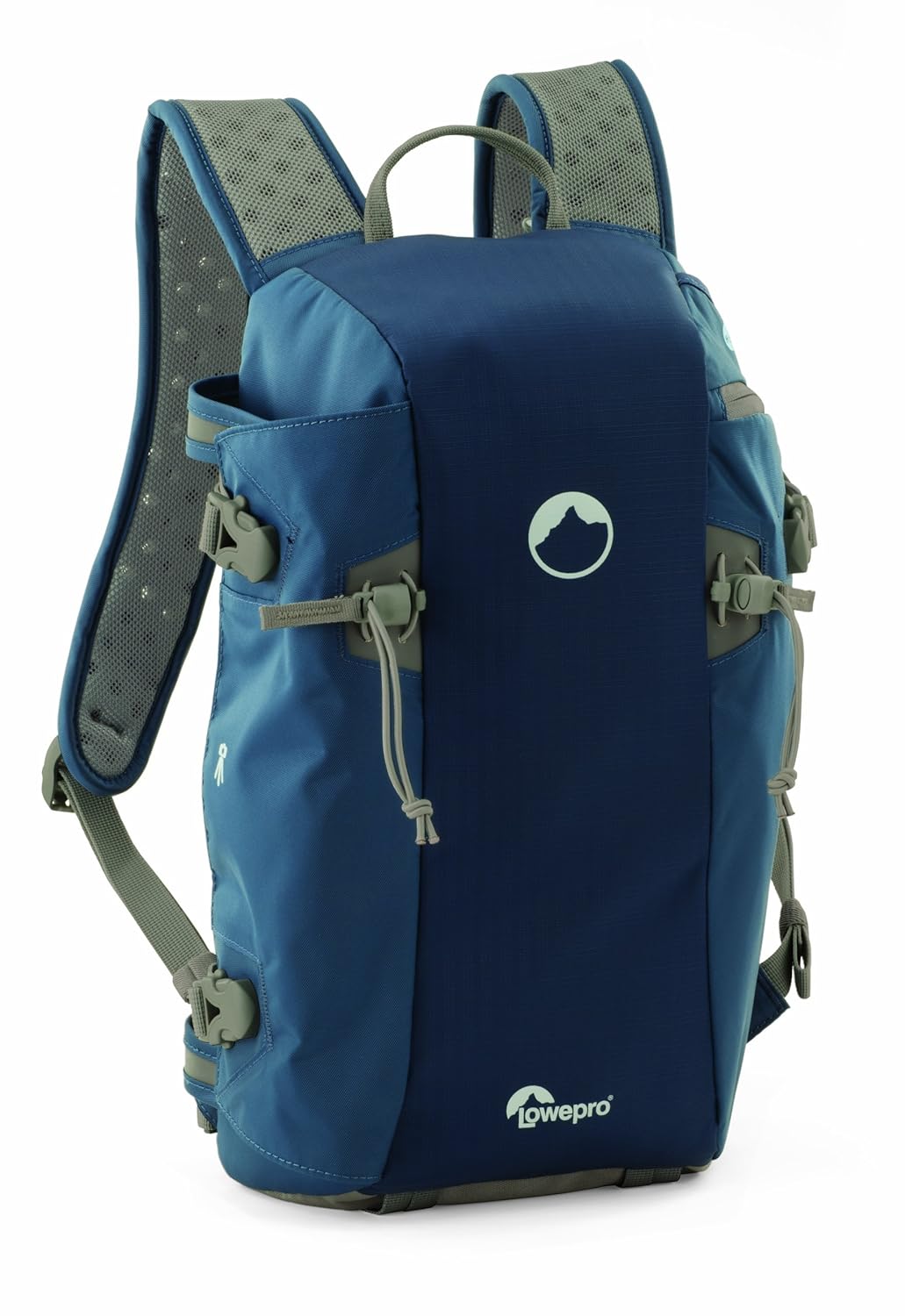
This pack comes in three sizes, but I like the small 10L model because it’s so small and streamlined. This is my number one pack these days, and has been for awhile.
It fits a decent selection of gear, including the XF100-400, or a body with the 50-140 attached, plus a couple other mid sized lenses. It has
a zipper pouch for a water bladder, but I often use this for carrying extra batteries and my card case. It has a tripod sleeve on the other side, which I often use for carrying an extra jacket.
|
|
Read More
|
|
|
|
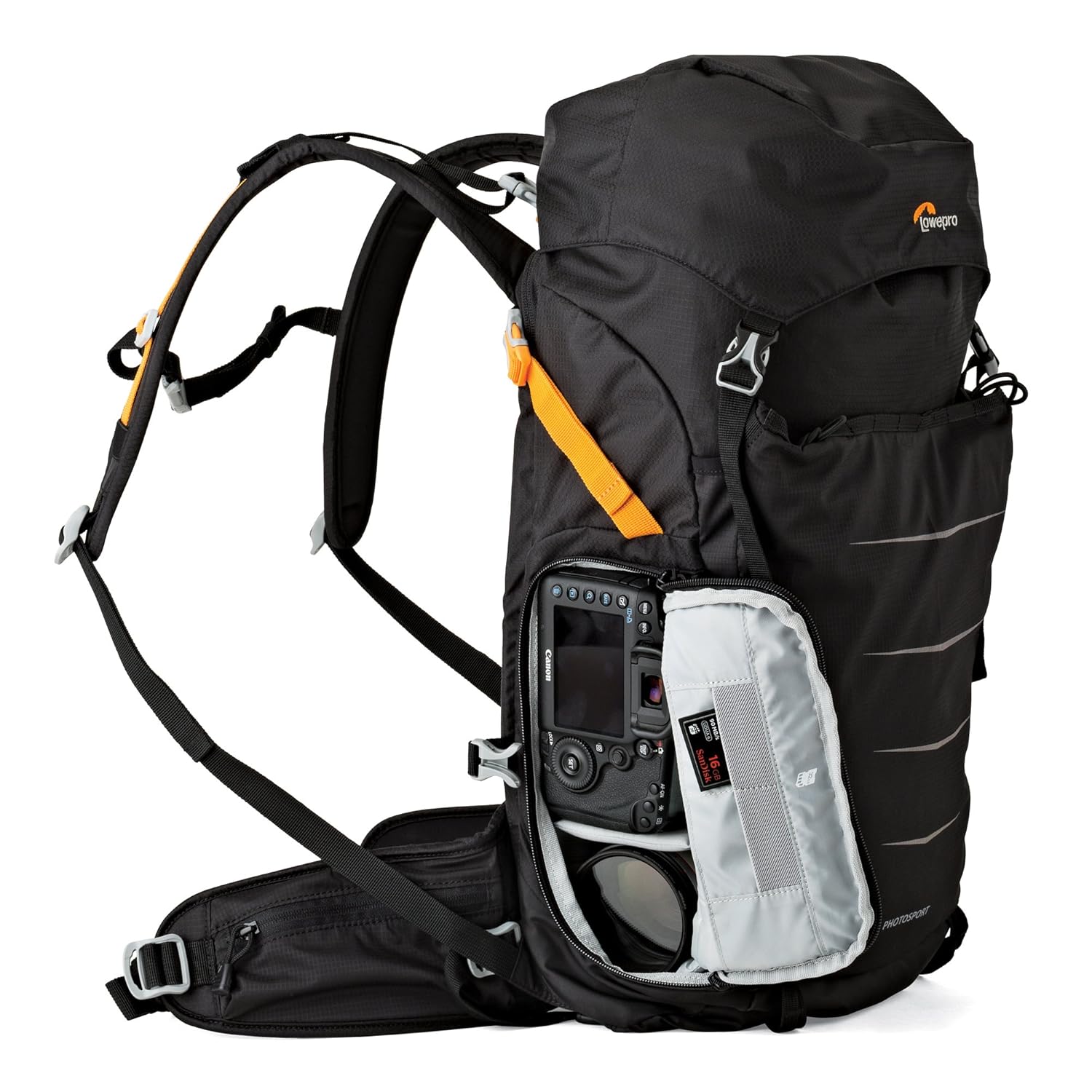
The Photo Sport was my favorite pack for awhile, and I still like it a lot. A top loader with a quick access bottom camera compartment, this is great for long days in the outdoors, where you want to carry more food, water and clothing, and still have easy access to your camera gear.
The pack will hold a camera body and a couple of
lenses, but big glass like the 100-400 and 50-140 won’t fit in the dedicated camera compartment when they’re attached to the body. If you hike, climb, bike, ski or travel with one camera and a couple of primes or smaller zooms, this is a great choice.
|
|
Read More
|
|
|
|
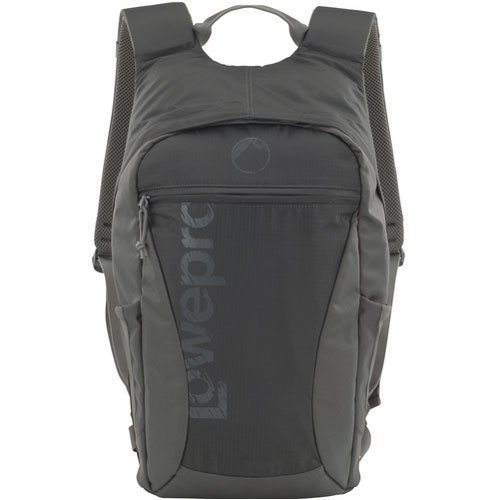
This is a sweet little pack, and although I don’t use it as often as the other two, it does come in handy. I like the design- it looks more like a daypack and less like a camera bag, and it keeps the access to your gear secure against your back when you’re wearing it. For this reason, it’s a pretty good choice for traveling.
The lower camera compartment will hold a body and a few lenses, while the upper part holds extra things like clothing and snacks, with space for a tablet or small laptop like a Macbook Air. Like the other two, it also has a rain cover, so it’s more functional in the outdoors than some other camera bags and daypacks.
|
|
Read More
|
|
|
|
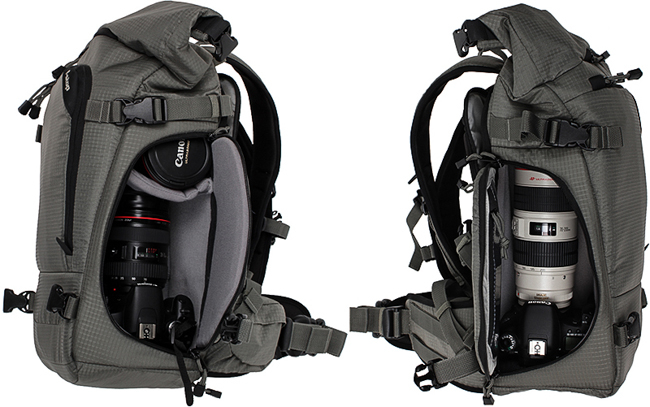
The Kenti holds quite a bit of gear in two side-access panels, and it will even fit an X-T1 with a 50-140 lens attached. It also has an upper compartment for clothing and other gear and a couple of other handy zipper pockets for things like batteries and cards.
I really like the Kenti and I still use it quite a bit. This is the pack I used during my
recent 6-week bikepacking trip in Romania I did last fall. If you tend to carry a little more gear and want a rugged outdoor pack, I’d recommend giving this one a serious look.
|
|
Read More
|
|
|
|
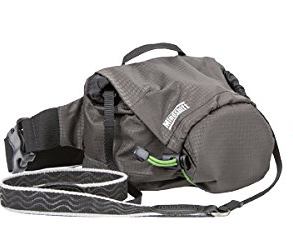
For quick and fast photography when you’re hiking or skiing, accessibility is king. Getting your camera into your hands within seconds is how you grab those great moments. I’ve always used chest and waist pouches, and my recent favorite is the Mindshift UltraLight Camera Cover.
It’s a soft case
nylon chest pouch that works great with the X Series cameras, and it keeps them right at your fingertips, which is WAY faster than trying to fish the camera out of your pack. If you like to travel super fast and light in the outdoors with one body and a small to medium prime, this might be the one.
|
|
Read More
|
|
RAW Processing and Photo Editing Software |
If you shoot RAW with your X Series cameras, you might have figure out that Lightroom doesn’t do a very good job processing the Fuji RAW files. The special configuration of the X-Trans sensor and the lack of an optical low pass filter, means these camera are capable of producing incredibly sharp, high
resolution imagery that rivals most full frame cameras.
However, Adobe’s demosaicing algorithms is calibrated for Bayer pattern sensors, which are used in just about every other camera on the market. If you want the best possible RAW conversions from your X Series camera, you should consider using different software.
The two programs I like best are Iridient Developer and Capture One Pro. Iridient was created by one guy and it’s both amazing and affordable. It’s capable of extracting the best detail from X-Trans RAW files and the developer is constantly working to tweak and improve it. This is the program I use and recommend to anyone. With a few simple workarounds, it also plays nicely with Lightroom. Capture One Pro is also an excellent choice for
Fuji shooters. A full featured program that can handle every aspect of your photography workflow, C1 Pro produces gorgeous looking images with awesome color rendition. It’s a little more expensive and has a much steeper learning curve, but for many photographers, it’s worth the expense and the time spent learning the program. I love C1Pro, and often think about totally switching from Lightroom to C1.
|
|
For initial browsing, culling and editing, I highly… I’ll say it again… I HIGHLY recommend Photo Mechanic. It’s SOOO much faster than
Lightroom when browsing photos, especially larger RAW files. You could create an entire efficient workflow around Photo Mechanic and Iridient Developer.
|
|
Read More
|
|
I published two photography books last year, and the notable thing about these titles is that I wrote both of them during my transition to using X Series cameras full time. When I first started compiling my notes, I was a full time Nikon shooter.
During the midpoint of the writing process, I had been using my Fuji cameras considerably more in my photography. Mirrorless camera technology was quickly improving, and by the time I did the final editing, my transition was complete; I was no longer using my Nikons at all. In fact, a few weeks after the first book was published, I traded in all of my DSLR gear.
Published by Focal Press
|
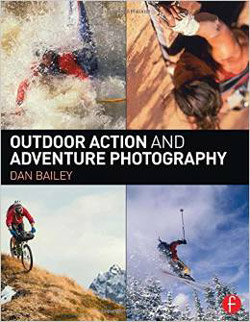
Capturing significant moments and producing powerful imagery that evokes the feel and mood of adventure requires specialized skills and a wide variety of creative ideas.
This book teaches photographers how to think geometrically and how to pull together the elements that make for a successful shot, all while being immersed in
the action. The practical manual will improve your technique for creating more compelling adventure imagery, whether you’re shooting ultra-marathoners splattered in mud, rock climbers in a crevasse, or mountain bikers hurtling past you.
It outlines methods and techniques that I’ve practiced and developed during the nearly 20 years I’ve worked as a pro photographer, and it includes just about every technique I use in my style shooting. And
it’s not just the hardcore stuff, these techniques can be used by anyone!
At 300 pages, and nearly 60,000 words, there’s a massive amount of photography instruction in here. It contains advice on gear, technical tips, compositional ideas and in-depth insight, and I even talk about how to get the most from mirrorless cameras, which I feel is very up-to-date since I’ve transitioned entirely to
shooting with the Fuji X cameras during the past year.
|
|
Read More
|
|
Published by Backpacker Magazine and FalconGuides
|
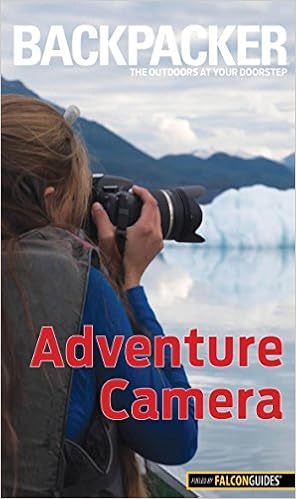
This is an easy-to-read, pocket-sized how-to guide for taking great pictures in the outdoors. Written in a very concise style, Adventure Photography offers a wide array of information tips and photo examples that will help you improve your technique and your understanding of the basic factors that go into shooting compelling photographs.
With a published
size of only 7″ x 4.5″, and 155 pages, it easily fits in your backpack, camera bag and most jacket pockets. It’s small enough to throw in the glove box or up on the dashboard. Sure, it might get dog-eared and faded up there, but that won’t affect the words, I promise. The stuff inside will still be good.
|
|
Read More
|
|
Online Video Course
|
Last year, I also shot an 80-minute instructional video course with Craftsy called Outdoor Photography Essentials. Watching it is basically like coming out on a workshop or an actual shoot with me and watching as I explain how I bring all of the elements together in order to create
a successful shot.
I like to think that the hallmark of my style revolves around being able to quickly respond to constantly evolving light and situations in the outdoors, and so that’s what I tried to convey in this course. In it, I give you the tools and tips you need to make it happen. Also, it was shot entirely with the X-T1.
As with every Craftsy class, you can watch your lessons
anytime, anywhere and revisit as many times as you’d like — forever. You can ask me questions and even get direct feedback from photos you upload. As one of my readers, you can use this link to save $20 on the course. For less than the cost of one meal out, you get some real-world shooting tips which will vastly improve your outdoor
photography skills.
|
|
Read More
|
|
I encourage you to visit my blog and spend some time digging through some of the older posts, I’ve got a lot of tips and insight buried in the archives. Here are a few to get you
started:
Upcoming Presentations and Events |
I’ll be giving a variety of presentation and talks this year at camera stores and trade shows throughout the country. Here’s a list of the upcoming events on my current schedule. If one of
these happens close to where you live, I hope to see you there! Click here to see my upcoming photography workshops in Alaska.
Samy’s
PhotoCon LA 2016, Los Angeles, CA – May 21-22 Sunday, May 22: 1:30pm – 2:30pm
I’ll also be at the Fujifilm booth during the weekend when I’m not giving my talk. Even if you don’t shoot Fuji, feel free to drop by and say hi!
National Camera Exchange, Minneapolis –
August 5-6
Details TBA
I’ll be doing a free in-store presentation at National Camera Exchange in the Minneapolis area on Friday night, August 5, followed by a biking “photo-ride” on Saturday August 6. We’re still working on details for this event, so stay
tuned.
Bedford Camera & Video PhotoExpo 2016, Little Rock, AR August 19-20
PhotoExpo 2016 is one of the largest photography and imaging shows in the MidSouth US. I'm one of
the featured keynote presenters at this year's event, and I'll be sharing a variety of tips, technique and insight during my talk. Click here for more info about PhotoExpo 2016.
I hope you enjoyed your introductory issue of my newsletter. For more info, insight and imagery, you can follow me on Instagram, Facebook and Twitter. While I do try to answer all of my emails, those are the best places to find me if you have any questions.
Enjoy the rest of Spring and best of luck with your photography!
|
Sincerely,
Dan Bailey
dan@danbaileyphoto.com
|
|
|
|