Hi
The Fujifilm X-T20 is finally here. This is the camera that many X Series
shooters and people who have recently become interested in the X Series have been waiting for.
Designed as the little brother/sister to the X-T2, and an upgrade to the X-T10, the new X-T20 gives you most of the high performance capabilities and features of the X-T20 in a smaller, lighter body and a considerably lower price tag -
Basically a 44% savings over the X-T2.
With the new 24MP X-Trans III sensor and the ultra fast X-Processor Pro image processing chip, the X-T20 has the exact same image quality of the X-T2, the same 325-point autofocus system, including the AF-C Custom Settings Menu, 8 fps continuous shooting, the same incredible high ISO performance and the ACROS film simulation, the new C EV dial with +/- 5 stops of exposure compensation, and it even shoots 4K video.
Main Differences Between the X-T2 |
Even though the X-T1 and 2 have been my main cameras, I've shot a ton with the X-T10, so I know with firsthand
experience that Fuji doesn't skimp on these "little brother/sister versions."
They're not "watered down models." As I said above, they pack the same image quality and much of the same performance as the X-T2, but in order to shave the price, the have eliminated a few features that are more geared towards professionals.
So, what's missing? There are a number of things that are different between the two cameras. Aside from a slightly different dial layout, here are a few of the compromises:
- No Weather
Sealing
- No AF Thumb Joystick
- No Boost/Battery Grip
- Max Shutter Speed of 1/4000 Instead of 1/8000
- Fewer 4K and Video Capabilities and Output Options
- A Single UHS-I Memory Card Slot
- Smaller Buffer for Shooting in CH (22 RAW frames vs. 54 for the X-T2)
- No Vertically Tilting LCD Screen
However, many photographers will find that these tradeoffs are well worth the significant drop in price.
Having shot the X-T10 quite extensively, the main limitations I've noticed in real-world photography situations are the lack of weather sealing and the smaller buffer when shooting in Continuous Mode.
However, I've used my X-T10 in a wide array of weather and it's done fine, and with the new image
processor, the buffer has been vastly improved (more than doubled) over the X-T10.
So, for landscape, portrait, travel, nature and general photography I see these largely non-issues for large number of photographers.
Excellent Camera For the Price |
What this means is that the X-T20 is an amazing camera for the price. I always felt the X-T10 was the best mirrorless camera in its class, and with the major upgrades, the X-T20 takes "consumer" mirrorless cameras into a whole new level of performance.
The bottom line is this - If you want the same image quality and similar performance as the X-T2, but don't have the budget, or if you're looking for a second, companion body for your X-T2, then the X-T20 is definitely the right choice. For many photographers, it's going to give you all the performance you desire in a camera, and of course, you can use all of you Fuji lenses on it.
If you have
any questions about the differences or would like insight as to whether the X-T20 is the right camera of you, feel free to contact me directly. I'm happy to help.
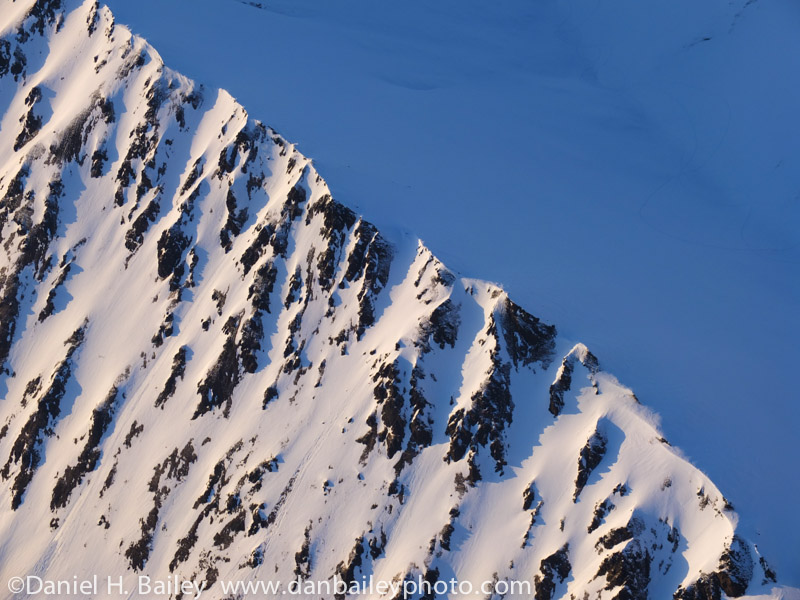
Creative Tip - Use Diagonal Lines for Stronger Compositions |
One of my favorite technique for shooting landscapes, or any subjects for that matter, is to create diagonal lines in my compositions.
Diagonal lines add drama and make for much more dramatic imagery, because they have a feeling of instability and motion.
They suggest action and movement. They leave you teetering on the edge, holding on for dear life, lest you slip and tumble to dire consequences...
|
|
Read More
|
|
|
Enjoy the rest of your weekend!
Sincerely, Dan Bailey
dan@danbaileyphoto.com
|
|
|
|