Hi , The other day, someone asked me how we handle the darkness up here in the wintertime. I get that question a lot, which leads me to believe that some people think that it's dark all the time here during the Alaska winter. It's true that areas in the world that lie north of the Arctic Circle experience periods of "polar night," when the sun doesn't rise at all for periods of time. This varies by latitude, though. Regions just above the Arctic Circle will see a brief 24 hours of polar night on Winter Solstice, while the north pole will see 179 days of night. The furthest north towns in Alaska, Canada, Norway, Greenland and Russia will see Polar Nights that last anywhere from 60-75 days. In the summertime, it's backwards; the sun doesn't set for that long. However, way down here in Anchorage, our
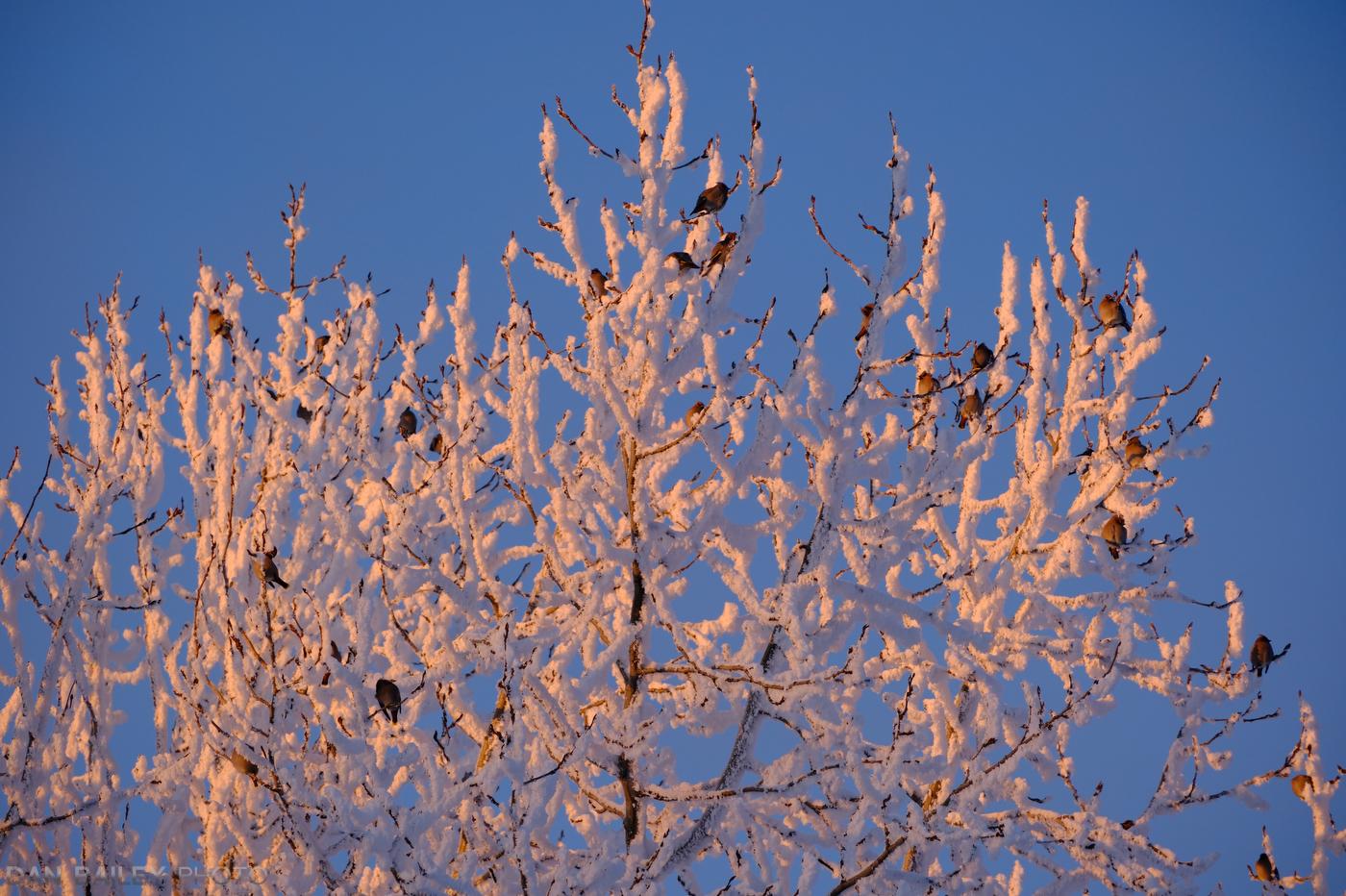
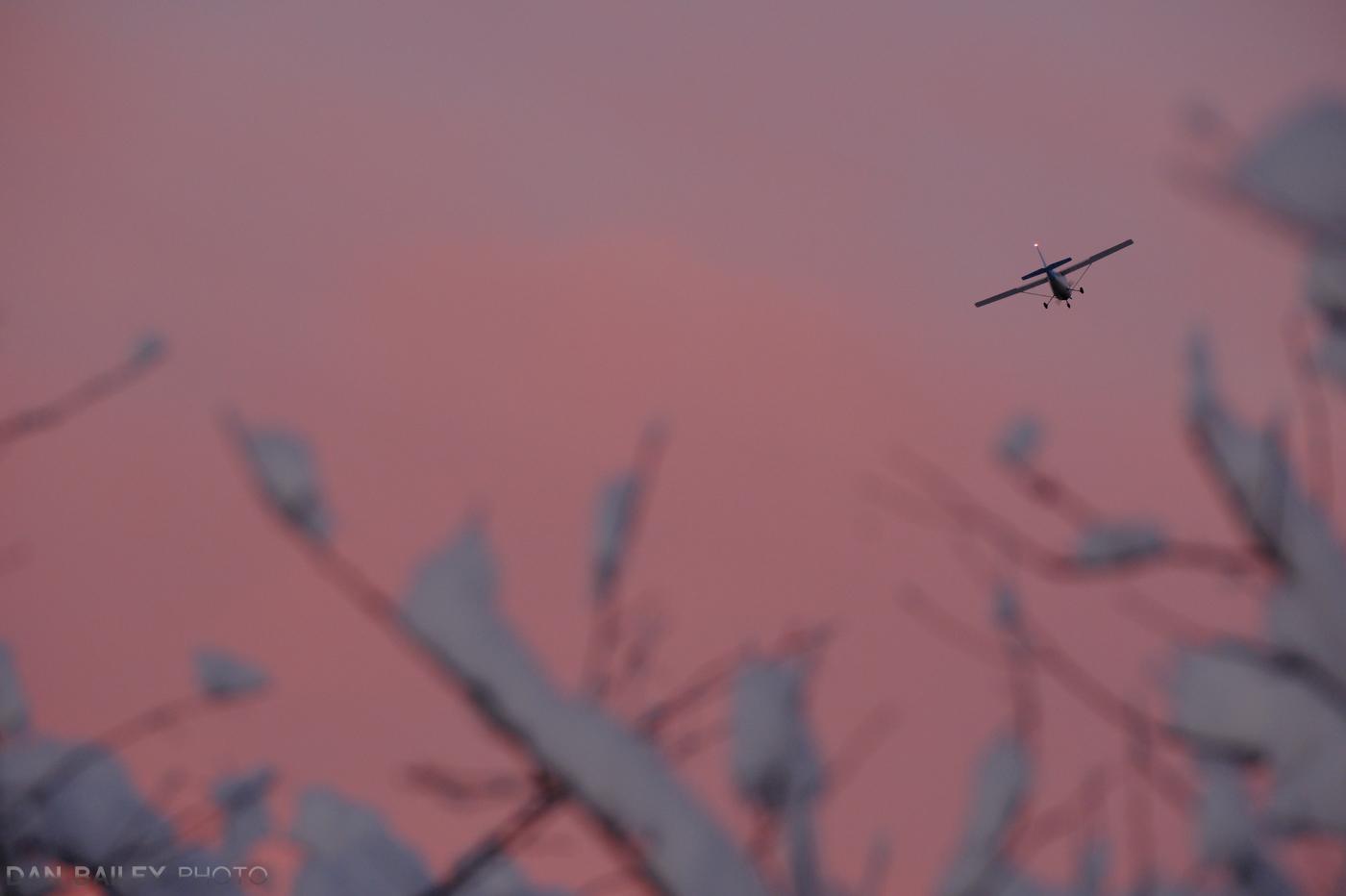
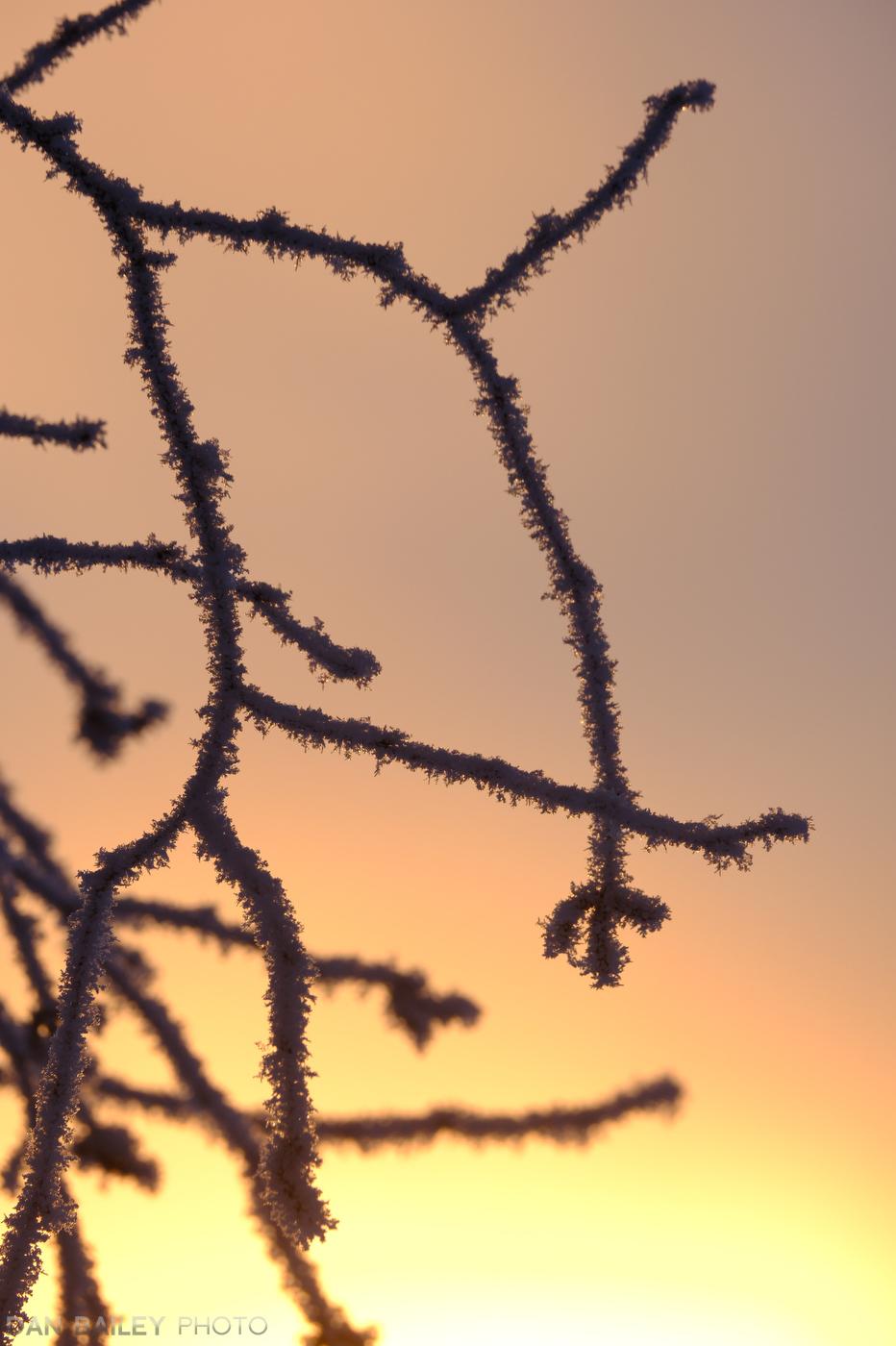
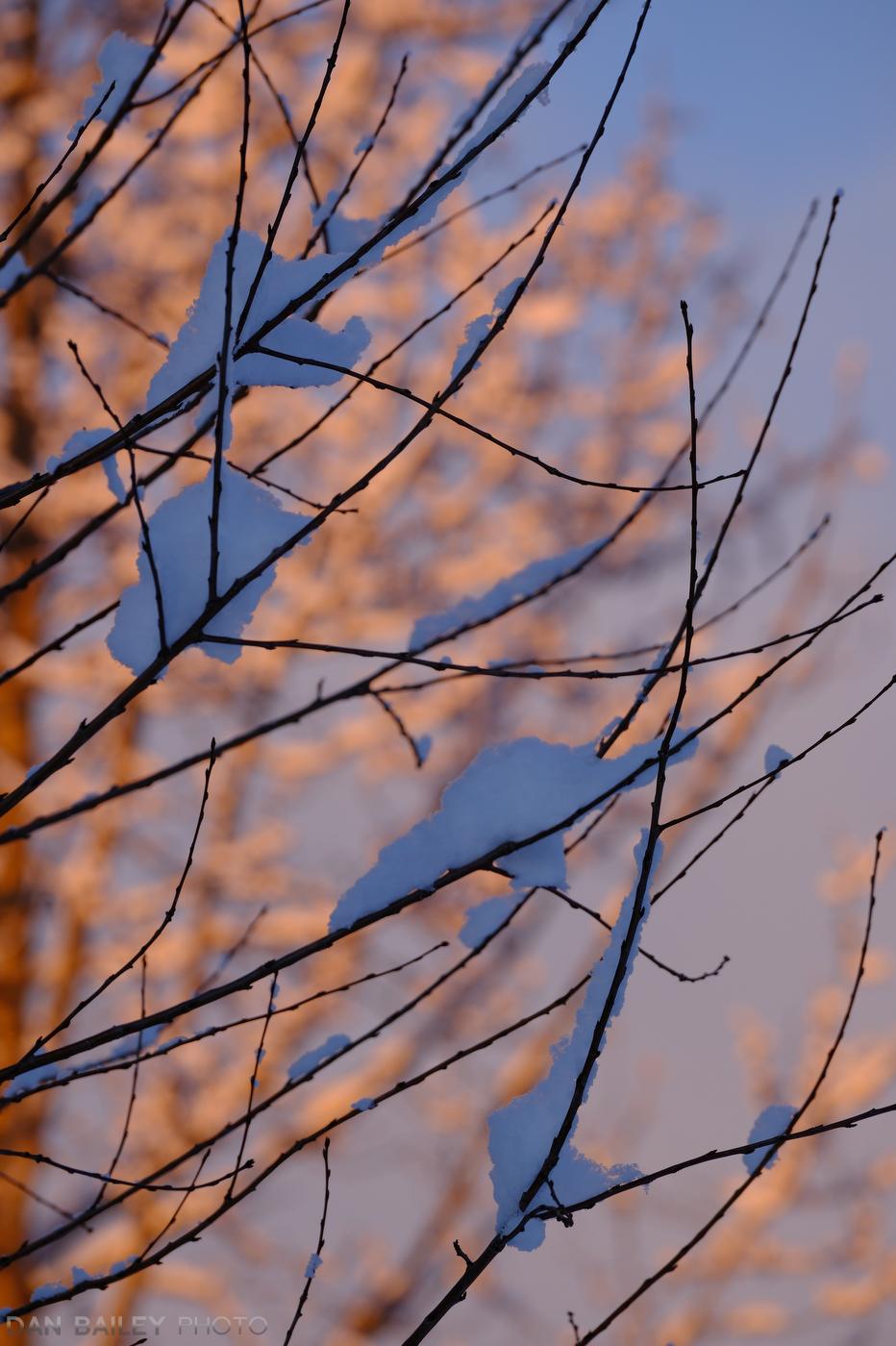
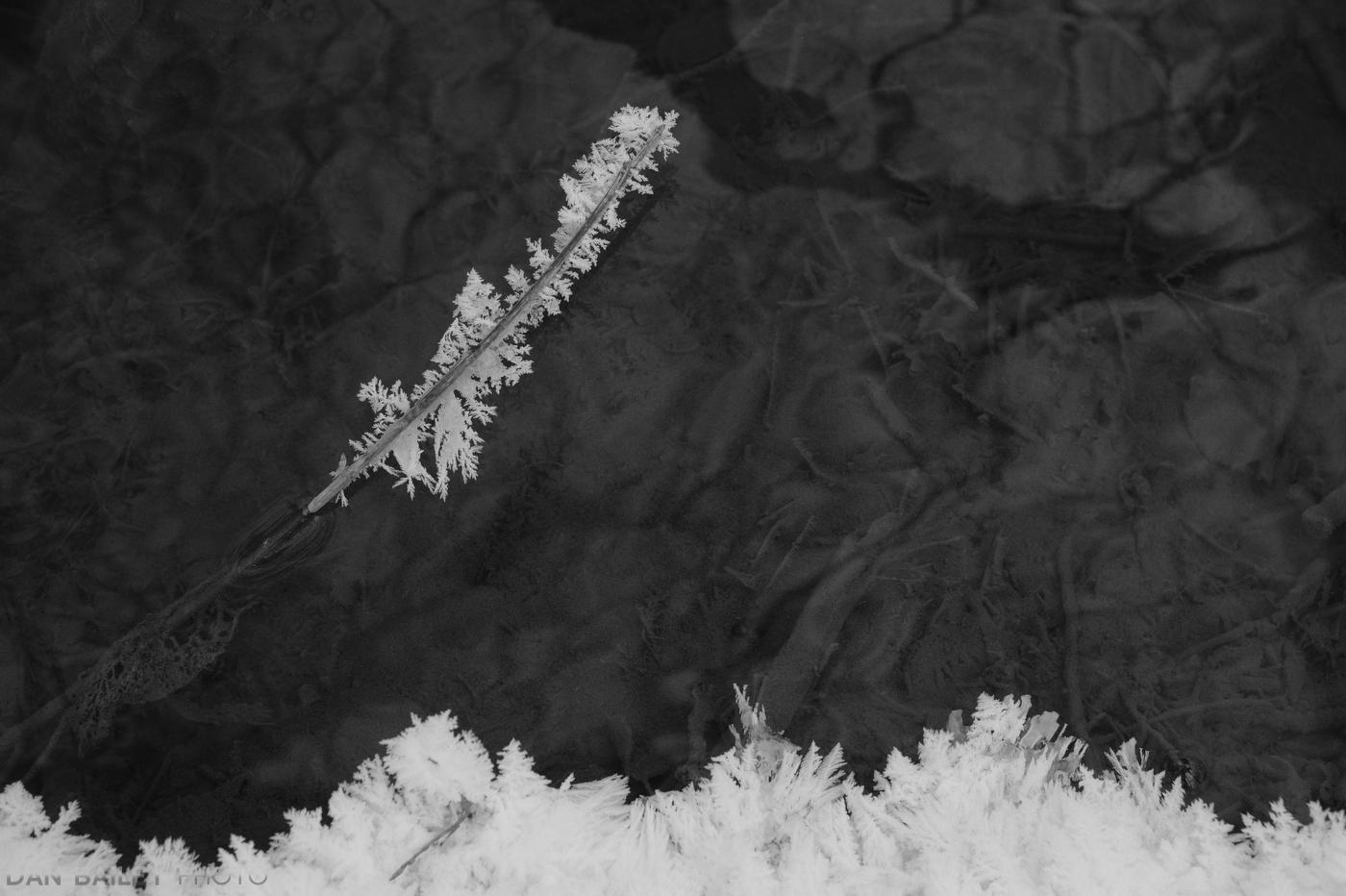
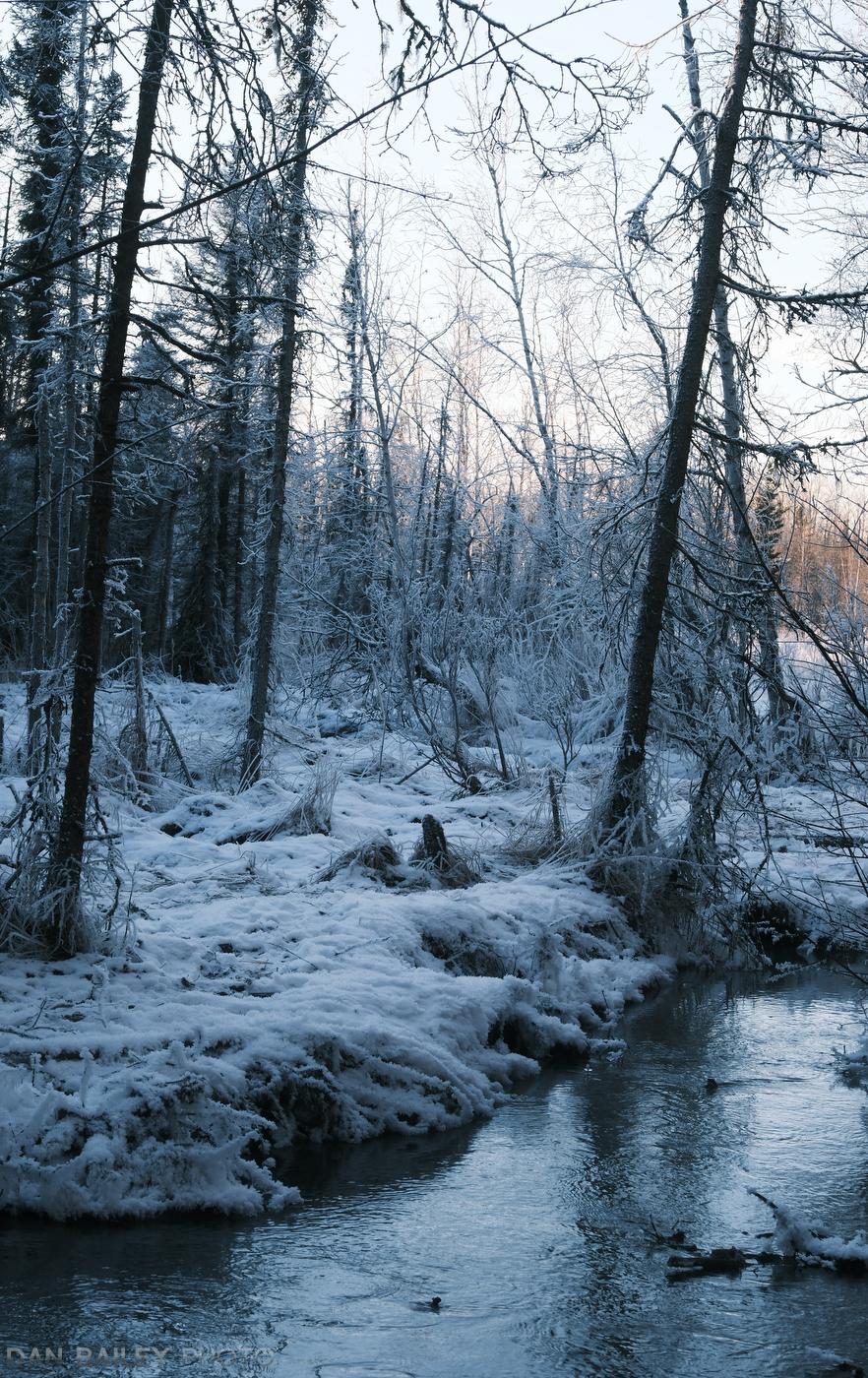
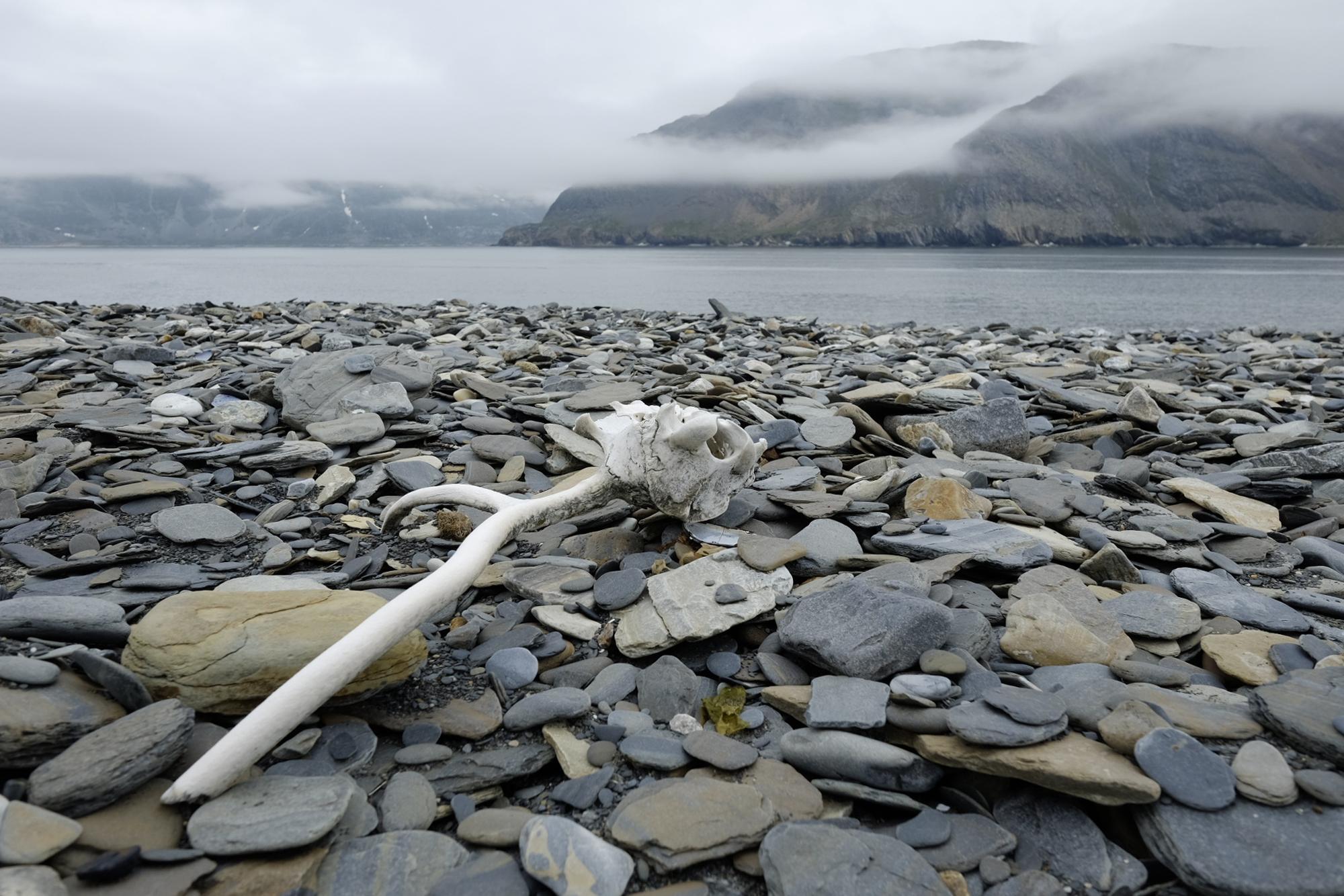
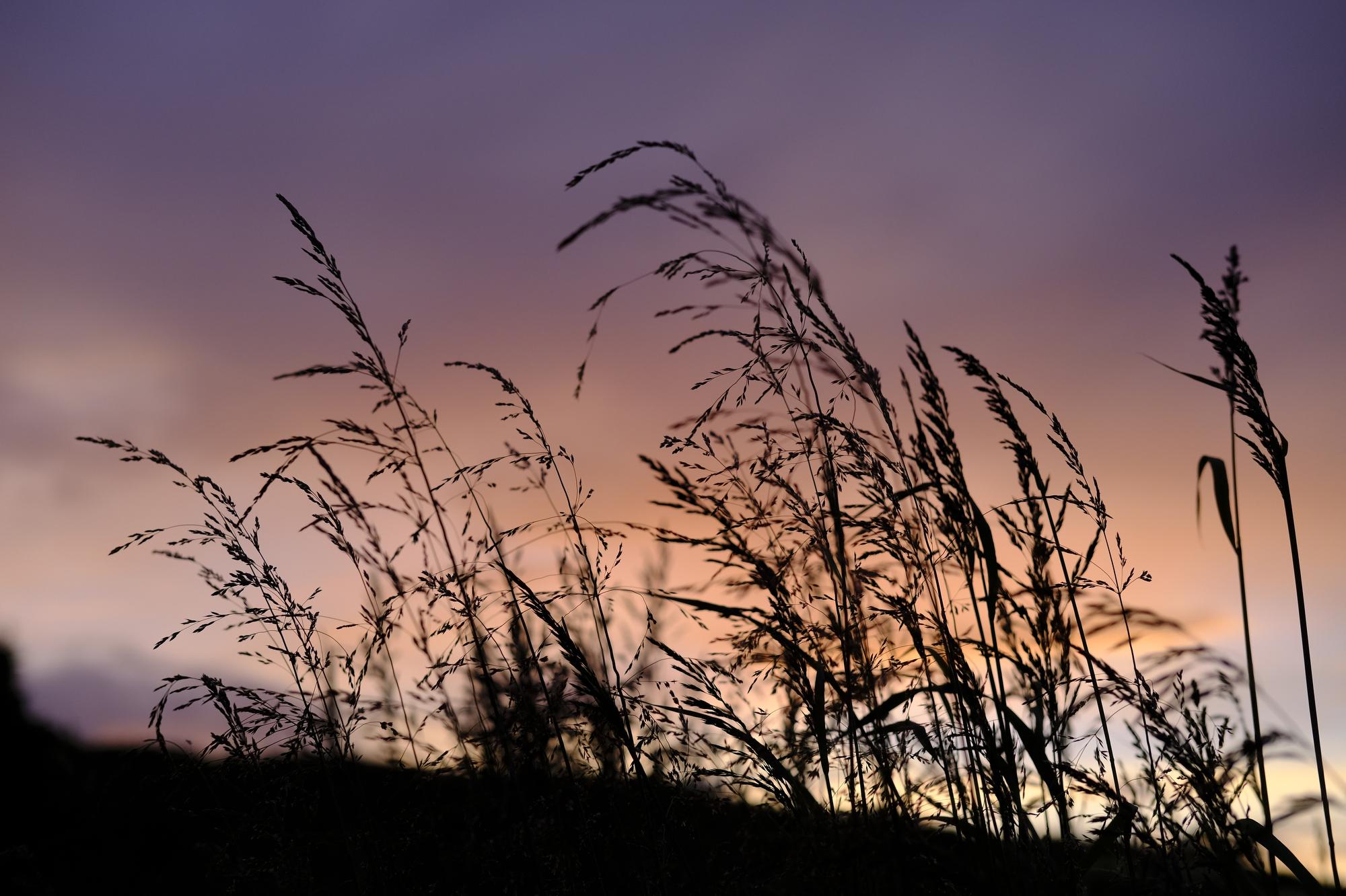
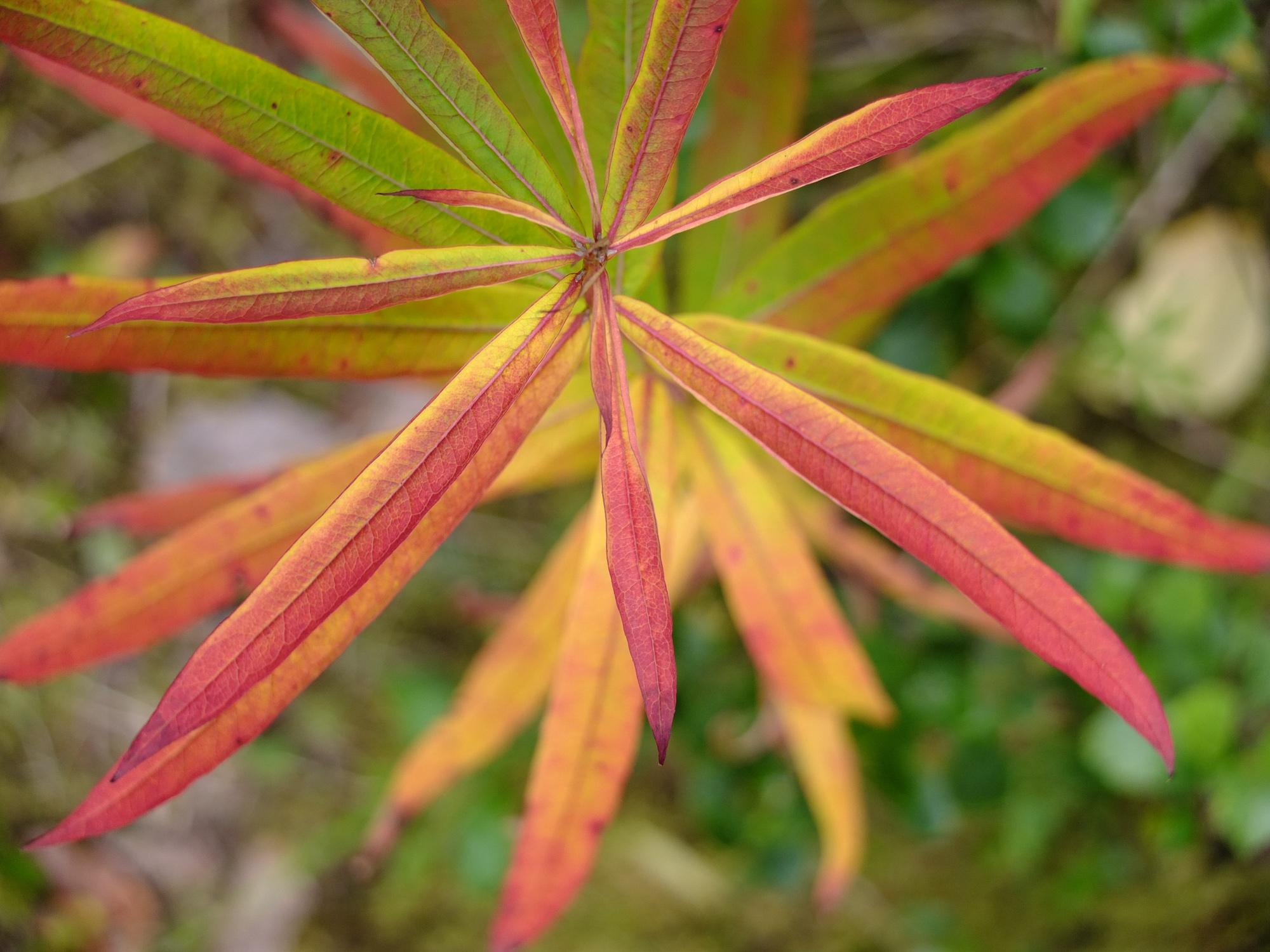
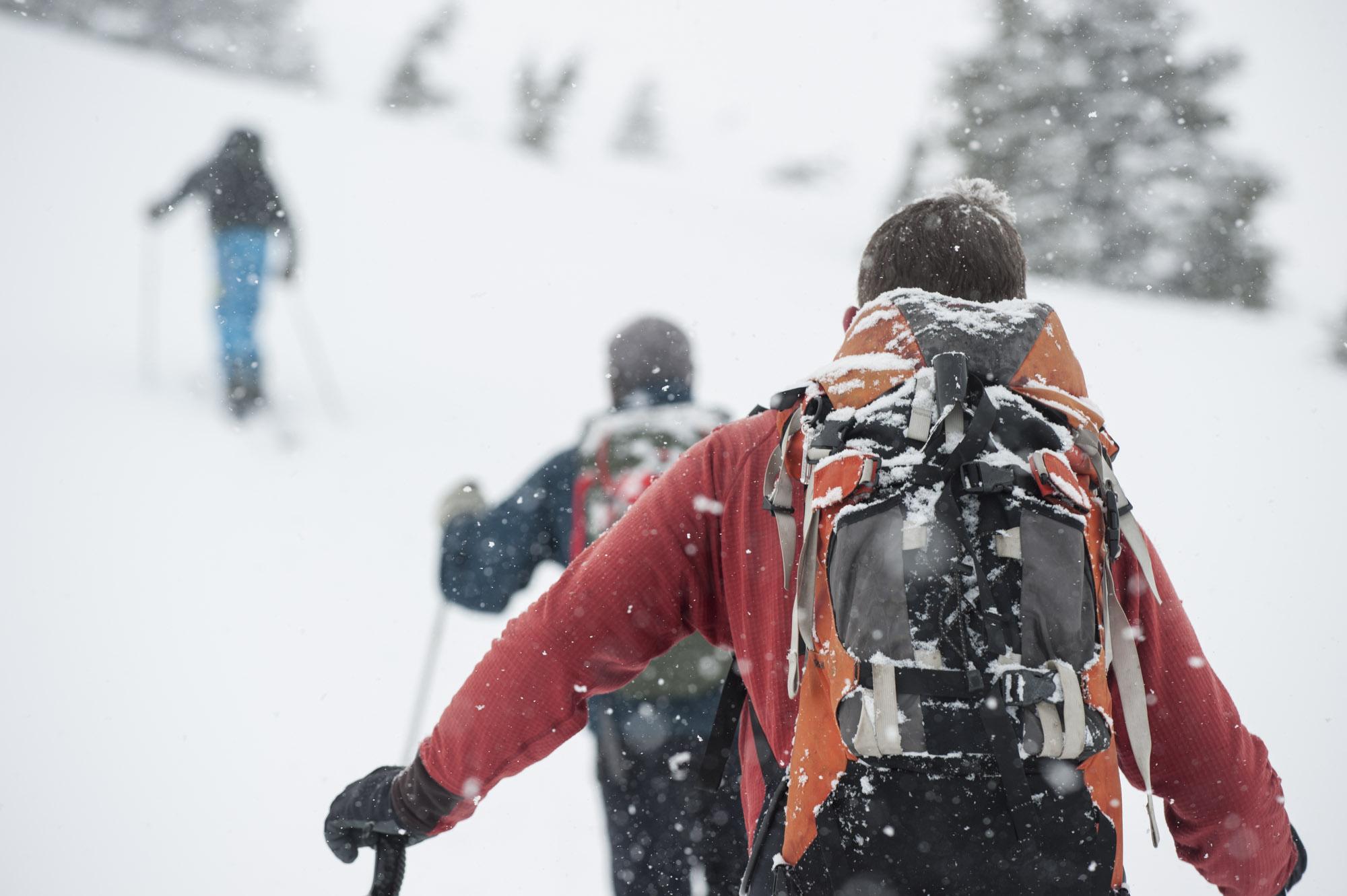
shortest days in December are still 5 1/2 hours long. Basically the sun comes up late and skims across the sky for a few hours very close to the horizon before setting. For us, and I know for many of you who also live in the far north, this means, that when it's clear out, we get about 5 hours of magic hour during these wonderfully short winter days, which are great for photography. Of course, it's often very cold during this time, so you just need to bundle up, but once you're outside seeing that beautiful, rich, golden, pink light, it's worth every bit of trouble and discomfort, because you can get incredible images, especially when the light is reflecting off of snow. That's why wintertime was my favorite time for shooting aerials, but even without the plane, I've gotten so many gorgeous images just walking around the neighborhood. All of the images in this part of the letter were shot within a 1/4 of my house. If you're not fortunate to live in an extreme north latitude, you can still get beautiful winter photos; you just don't have as much time because the sun sets a lot more quickly. I've shot winter photos in Arizona, and am amazed at how short magic hour lasts. Like I said, you just have to be quick. Pick a subject and start shooting, because you won't have much time. And even if the light isn't super magical, there's still a lot of beauty to be found in the cool blues of light shade inside the forest, or under overcast skies. Maybe there's a creek near your house where you can spend time looking for details, or capturing scenes in monochrome, or a more muted look. And even if you don't come back with really awesome images, you still spent time outside paying attention to nature or your other surroudings, which is valuable in itself, right? At any rate, I hope this letter inspires you to get outside with your camera during these wonderfully short winter days. And if you happen to live in the southern Hemisphere, then you get to enjoy the other side of this natural occurrence and partake in those blissful long evenings. I'm really excited about this course, because each lesson is concise and packed with usable information you can use right away. I give you straightforward ideas and concepts that are guaranteed to help you improve your compositions and your confidence with using different
lenses. The whole course is less than an hour and a half, but the information and tips you'll get will make a huge difference in your photography! Do You Wish You Were More Proficient With Your Lenses?
Lenses are your camera’s eyes to the world and they determine the overall look of your imagery more than any other piece of equipment in your camera bag.
For this reason, it's vital that you
understand how each type of lens "sees" the world so you can use them to capture images that match your own creative ideas in the moment. In my concise, and highly practical tutorial, I'll show you how to effectively use the four main types of lenses, and give you straightforward tips that will help you maximize your creative control when using each
type. These are tips and techniques I've collected through 30 years of experience as a professional outdoor photographer; techniques I've used on commercial assignments, stock shoots, and when I'm out photographing my own adventures for fun.
Whether you're a beginning photographer, or a longtime shooter looking for some new inspiration, this course will give you tips you can
use right away, no matter what types of subjects or scenes you like to shoot. WHAT YOU'LL GET... TIPS ON HOW TO USE THE FOUR TYPES OF LENSESThe guide is broken down into four types of lenses: Wide angle, Normal, Short Telephoto and Long Telephoto. I'll show you how to identify the visual and creative characteristics each one offers, and give you
solid creative tips on how to get the best results from each type. CREATIVE IDEAS YOU CAN USE WITH ANY TYPE OF SUBJECT AND ANY CAMERAFor each type of lens, I'll give you a few concise, easy-to-undestand techniques use can use to capture more compelling images that work with any type of subject, no matter what you like to shoot or what camera system you use. CREATIVE FOCUSING TECHNIQUES - TIPS ON HOW TO USE BOTH
SHALLOW AND WIDE DEPTH OF FIELD EFFECTSIn photography, we have an extremely wide range of focus and depth of field. I show you how to different focusing techniques and effects for maximum creative benefit in your imagery.
LOTS OF IMAGE EXAMPLESIn this concise 75+ minute course, that's comprised of 13 separate tutorial videos across 7 different modules, you'll see tons of image examples that illustrate the specific creative methods,
ideas and techniques I cover. TIPS FOR BUYING LENSESI also give you tips on how to shop for new lenses, what to look for, and how to choose the best lenses that will fit with your own shooting style. I also discuss the benefits of zooms vs. primes. Thanks for reading and have a great rest of your week as we speed towards that most magical of days, the Winter Solstice!! |
|
|